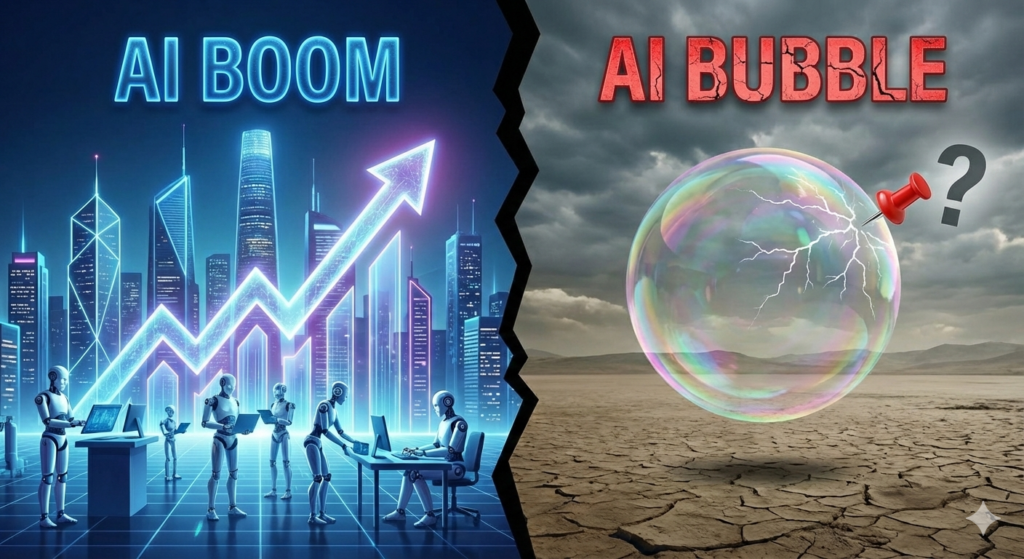
The rapid proliferation of artificial intelligence (AI) across various industries has sparked a crucial question in the realm of technology: Will AI replace software developers? As AI continues to evolve, it is imperative to understand its impact on the software development industry. This article delves into strategic insights regarding AI’s role in software development, exploring how it serves as an augmentative tool, transforms developer roles, struggles with creativity, collaborates with humans, and introduces ethical and security challenges.
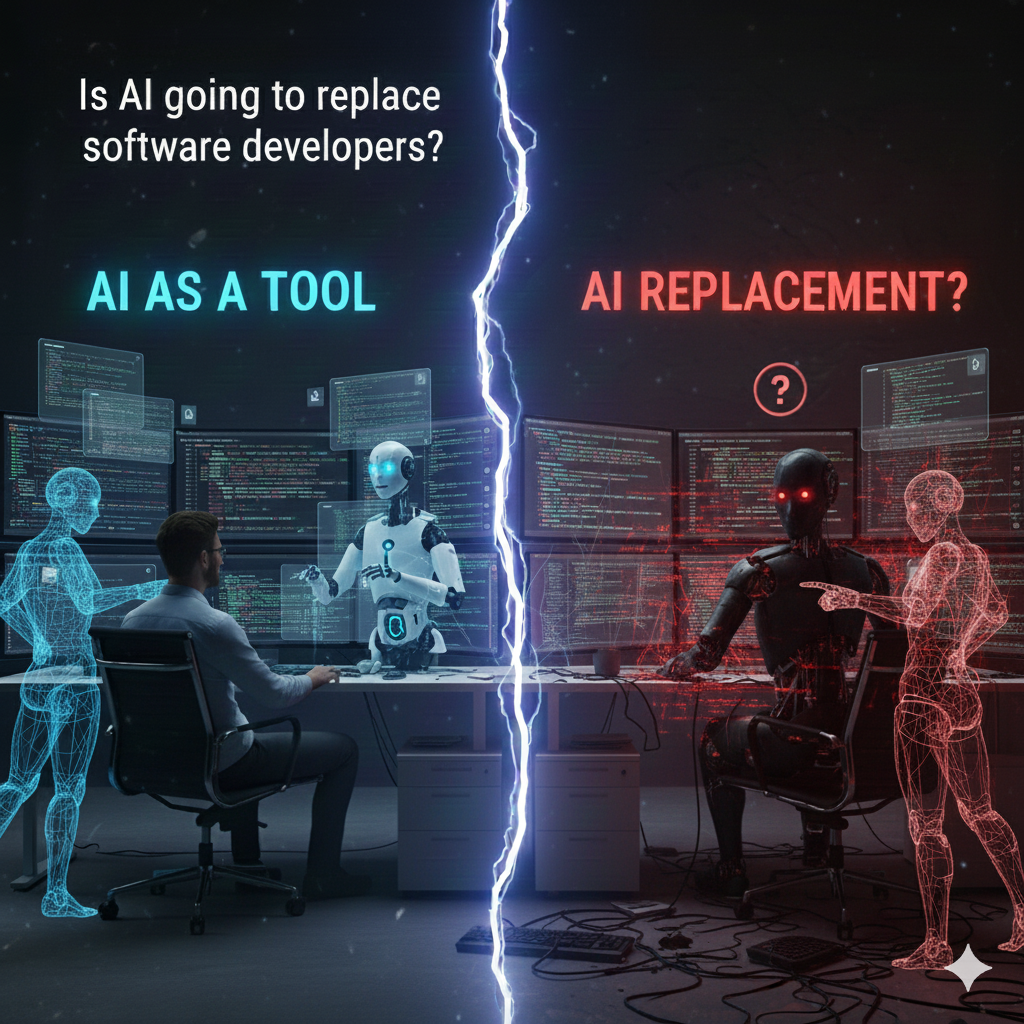
AI as an Augmentative Tool, Not a Replacement
AI is widely viewed as a tool that enhances the productivity and efficiency of software developers rather than a replacement for them. Multiple studies underscore AI’s role as an augmentative tool, designed to streamline repetitive tasks, thereby allowing developers to focus on complex problem-solving and creative aspects of development. This shift not only enhances productivity but also requires developers to adapt to working alongside AI, leveraging its capabilities for greater efficiency.
AI’s ability to handle mundane tasks frees developers from the drudgery of repetitive coding, enabling them to devote more time to innovation and strategic input. This transition highlights the importance of developers embracing AI as a collaborator rather than a competitor in the software development process.
Transformation of Developer Roles and Required Skills
The integration of AI into software development is transforming developer roles and the skills required to excel in the field. As AI tools become more prevalent, there is a growing emphasis on the need for proficiency in AI and machine learning. This trend suggests that while the core skills of software development remain critical, developers must continuously learn and adapt to new technologies to remain relevant.
The evolving landscape of software development demands that developers not only understand traditional programming languages but also possess a deep understanding of how AI and machine learning work. This shift necessitates ongoing education and skill development to ensure that developers can effectively integrate AI into their workflow.
AI’s Limitations in Creativity and Complex Problem-Solving
Despite significant advancements in AI technology, it still struggles with tasks requiring creativity, nuanced decision-making, and complex logic. AI’s limitations in these areas underscore the necessity for human oversight and strategic input in software development. While AI can assist with data-driven tasks, it lacks the intuitive understanding that humans possess, which is crucial for creative and complex problem-solving.
This limitation highlights the irreplaceable role of human developers in the software development process. Developers must ensure that AI is used effectively and ethically, leveraging their expertise to guide AI systems and make strategic decisions where AI falls short.
Collaborative Potential Between AI and Humans
The potential for AI to act as a collaborator, complementing human skills with computational power, is immense. This collaboration can lead to increased innovation and productivity, suggesting that the future of software development will be characterized by a symbiotic relationship between AI and human developers. Rather than replacing developers, AI serves as a catalyst for enhanced collaboration, allowing humans to harness AI’s strengths while infusing projects with human creativity and intuition.
By working together, AI and human developers can achieve greater outcomes than either could alone. This collaborative potential highlights the need for a mindset shift among developers, encouraging them to view AI as an ally in the development process.
Ethical and Security Considerations
The integration of AI in software development introduces ethical and security considerations that must be addressed. The potential for AI to be used irresponsibly or unethically underscores the importance of human oversight. Developers must ensure that AI is implemented in a manner that upholds ethical standards and maintains security.
To manage AI’s impact on software development practices, it is crucial to develop frameworks and guidelines that prioritize ethical use. This includes assessing the risks associated with AI, ensuring data privacy, and preventing bias in AI-driven decisions. Human oversight is essential to navigate these challenges and ensure that AI contributes positively to the software development industry.
Conclusion
While AI continues to make inroads into the software development industry, it is clear that AI is not poised to replace software developers. Instead, AI acts as an augmentative tool that enhances productivity, transforms developer roles, and collaborates with humans to drive innovation. Despite its limitations in creativity and complex problem-solving, AI’s integration into software development requires developers to adapt, embracing new skills and responsibilities.
The future of software development will likely see a symbiotic relationship between AI and human developers, characterized by collaboration and ethical considerations. By harnessing the strengths of both AI and human intuition, the industry can achieve unprecedented levels of innovation and productivity.

Abhijit Daund (AD)
AD is a Senior Engineering Manager and the founder of ads2cents.com. With 13+ years of experience at companies like Walmart, he specializes in distributed systems, AI infrastructure, and software systems.