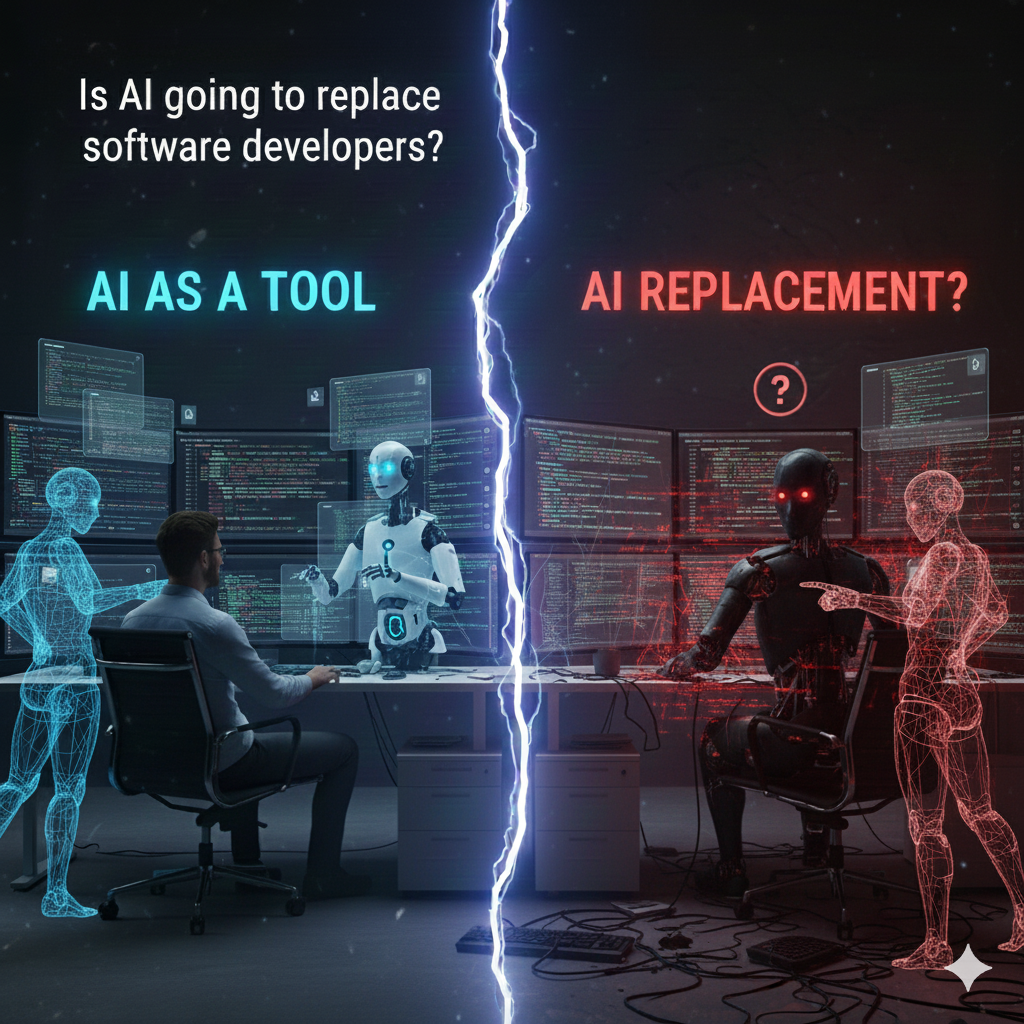
The rapid advancement of artificial intelligence (AI) technologies has brought forth a new era of opportunities and challenges across various industries. As AI systems become more sophisticated, the intricacies involved in their development and deployment grow exponentially. Among the core components pivotal to achieving AI success is the often-underestimated discipline of prompt engineering. In this comprehensive exploration, we delve into why prompt engineering is a fundamental aspect of AI success in 2026, focusing on its critical role in AI performance, optimization, innovation, ethics, and complexity management.
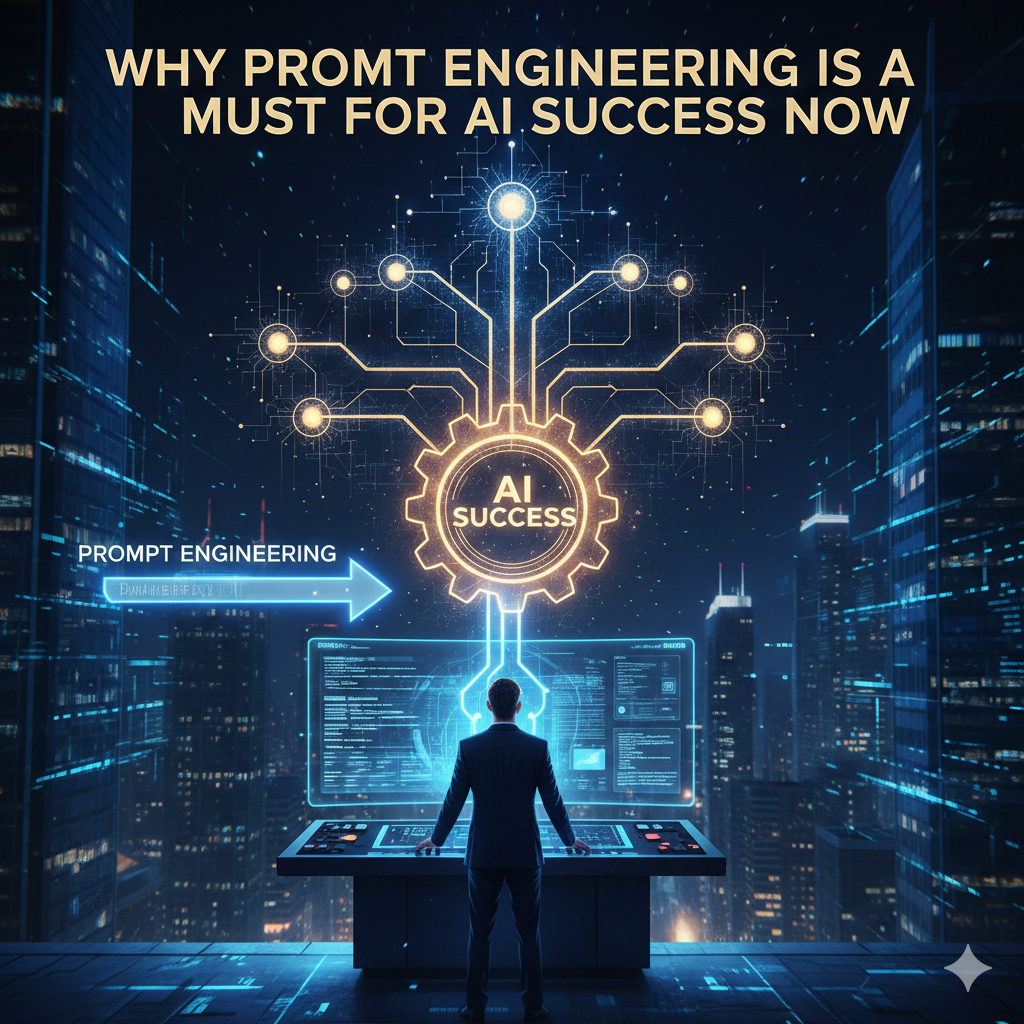
Critical Role of Prompt Engineering in AI Performance
Prompt engineering is not merely a supplementary task within the AI development process; it is a cornerstone that can significantly influence the performance of AI models. As detailed in recent studies, the precision and effectiveness of prompts are directly linked to the accuracy and reliability of AI outputs. This is particularly crucial as models grow in complexity and the demand for nuanced outputs increases.
The ability to craft precise prompts determines how well an AI system can interpret and respond to inputs. Effective prompt engineering ensures that AI systems can handle a variety of tasks with a high degree of competence, leading to better decision-making and more reliable outcomes. This focus on precision underscores the necessity of prompt engineering as a core component in the development of successful AI applications.
Optimization and Efficiency through Strategic Prompt Design
The optimization of AI systems through strategic prompt design is a key area where prompt engineering demonstrates its value. By analyzing different prompt structures and their impacts, researchers have developed insights into how prompt strategies can maximize AI potential. This involves crafting prompts that not only improve performance but also enhance efficiency, allowing AI systems to operate more effectively.
Strategic prompt design is vital for optimizing AI interactions and outputs. A well-thought-out prompt strategy can streamline processes, reduce computational overhead, and improve the overall user experience. This optimization leads to more efficient AI systems capable of delivering high-quality results with fewer resources, making prompt engineering a critical factor in achieving operational excellence.
Prompt Engineering as a Driver of AI Innovation
In the rapidly evolving field of AI, prompt engineering serves as a key driver of innovation. As AI technologies advance, the development of sophisticated prompt engineering techniques becomes essential for unlocking new capabilities and applications. This trend highlights the role of prompt engineering in pushing the boundaries of what AI can achieve.
Innovative prompt design opens up possibilities for AI systems to tackle more complex and nuanced tasks, driving progress in areas previously considered challenging. By continually refining prompt engineering techniques, researchers and developers can explore new frontiers in AI, making it a pivotal element in the innovation ecosystem.
Ethical Implications of Prompt Design
The intersection of prompt engineering and AI ethics is a crucial consideration in the responsible deployment of AI systems. The design of prompts can heavily influence AI behavior and decision-making, raising important ethical questions about fairness, transparency, and accountability.
Ethical considerations in prompt engineering are essential for ensuring that AI systems behave in ways that align with societal values and expectations. This involves crafting prompts that avoid biased outcomes and promote equitable treatment across diverse scenarios. As AI becomes more integrated into daily life, the ethical dimensions of prompt design will play an increasingly important role in shaping AI’s impact on society.
Necessity of Prompt Engineering for Complex AI Tasks
The necessity of prompt engineering in addressing complex AI tasks cannot be overstated. Research consistently identifies effective prompt engineering as a critical factor in enabling AI systems to perform complex problem-solving tasks successfully. Without sophisticated prompt strategies, AI systems may struggle to deliver the desired outcomes in challenging applications.
Developing advanced prompt strategies is crucial for ensuring that AI systems can tackle diverse and demanding scenarios. This capability is essential for expanding the applicability of AI across various industries, from healthcare to finance, where complex decision-making processes are the norm. By investing in prompt engineering, organizations can enhance the efficacy of their AI systems in handling intricate tasks.
Conclusion
In 2026, prompt engineering stands out as a fundamental component of AI success. Its role in enhancing performance, optimizing efficiency, driving innovation, addressing ethical considerations, and managing complexity underscores its importance in the AI development landscape. As AI continues to evolve and integrate into various aspects of our lives, the strategic design of prompts will be instrumental in shaping the future of AI technologies. Organizations and researchers must prioritize prompt engineering to unlock the full potential of AI, ensuring that it serves as a powerful tool for progress and innovation.

Abhijit Daund (AD)
AD is a Senior Engineering Manager and the founder of ads2cents.com. With 13+ years of experience at companies like Walmart, he specializes in distributed systems, AI infrastructure, and software systems.