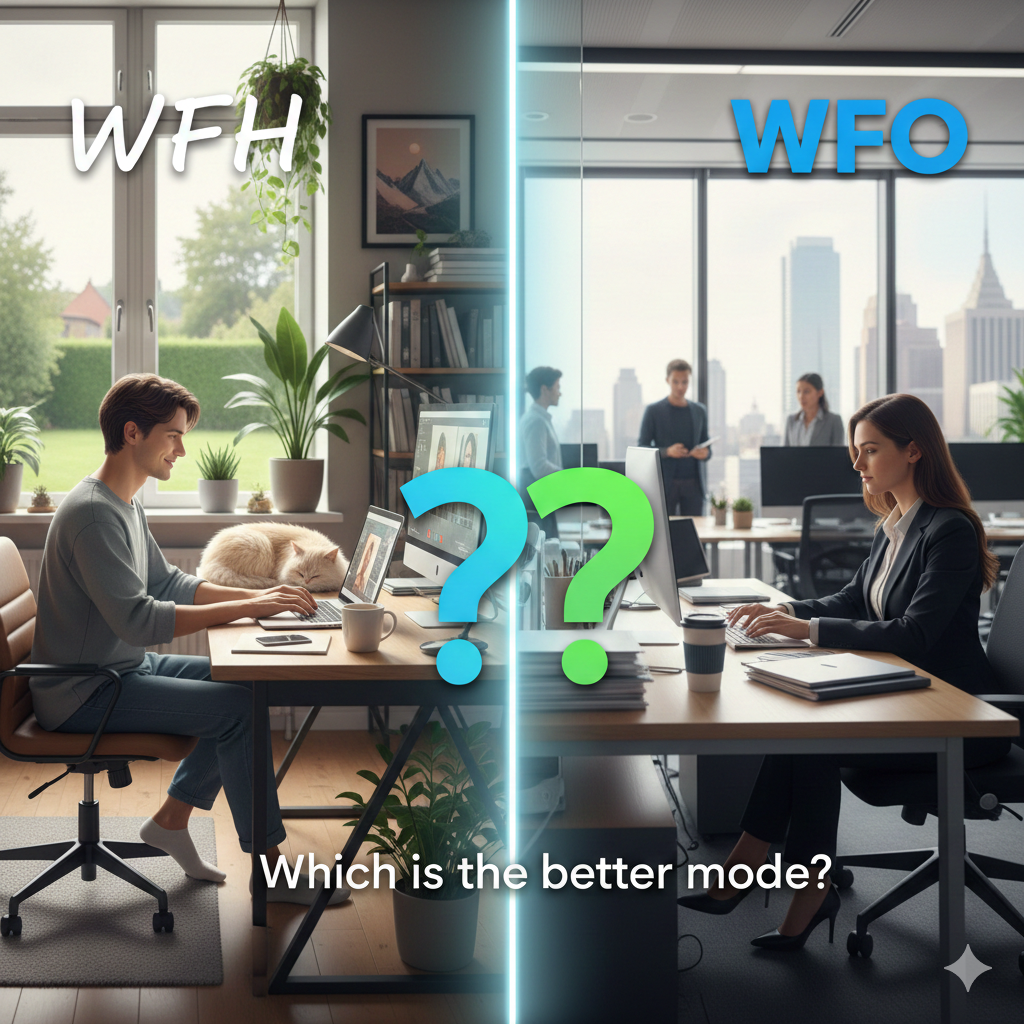
The debate over the optimal work model—Work from Home (WFH) versus Work from Office (WFO)—has intensified in recent years, catalyzed by the global shift to remote work during the COVID-19 pandemic. As organizations navigate the complexities of this new work landscape, strategic insights into hybrid models, technology, organizational culture, work-life balance, and management adaptation are crucial for designing effective and sustainable work environments. This article delves into these insights, offering a roadmap for organizations seeking to optimize their work models.
Hybrid Work Models as a Strategic Solution
Hybrid work models have emerged as a promising strategic solution, blending the advantages of both remote and in-office work settings. Research consistently highlights the potential of these models to enhance flexibility, employee satisfaction, and productivity while preserving opportunities for collaboration and social interaction. The strategic implication is clear: organizations should meticulously design hybrid models to balance autonomy with connectivity.
A well-implemented hybrid model can provide employees with the flexibility to choose their work environment based on tasks, preferences, and personal circumstances. This approach not only supports individual productivity but also fosters a sense of empowerment and engagement. By strategically integrating hybrid models, organizations can harness the strengths of both WFH and WFO, creating an optimized work environment that meets diverse needs.
Role of Technology in Remote Work Success
Technology serves as the backbone of effective remote work, facilitating seamless communication, collaboration, and productivity. The strategic insight here is the necessity for organizations to invest in robust technological infrastructure and cybersecurity measures to support remote work environments. Overcoming communication barriers and ensuring data privacy are paramount.
Investment in technology should focus on tools that enhance virtual collaboration, such as video conferencing platforms, instant messaging apps, and project management software. Additionally, organizations must prioritize cybersecurity to protect sensitive data and maintain trust. By leveraging technology effectively, companies can create a dynamic and secure remote work ecosystem that supports both organizational goals and employee needs.
Organizational Support and Culture in Remote Settings
The transition to remote work has underscored the importance of organizational support in maintaining productivity and well-being. A strong organizational culture that adapts to remote work challenges, such as isolation and disengagement, is essential. Organizations need to implement strategies that promote inclusivity, diversity, and employee engagement to sustain a positive work culture remotely.
Industry leaders emphasize the role of leadership in fostering a remote work culture that values communication, recognition, and collaboration. Regular virtual meetings, team-building activities, and feedback mechanisms can help maintain a cohesive organizational culture. By prioritizing organizational support, companies can mitigate the risks of remote work and create an environment where employees feel connected and valued.
Work-Life Balance and Employee Well-being
Maintaining work-life balance is a critical consideration in the remote work landscape, presenting both opportunities and challenges. Organizations must develop policies and provide resources that help employees manage boundaries and workloads effectively. This focus on well-being can mitigate stress and burnout, leading to more sustainable remote work practices.
Leaders have highlighted the importance of setting clear expectations and encouraging employees to establish boundaries between work and personal life. Flexible working hours, mental health resources, and wellness programs can support employee well-being. By prioritizing work-life balance, organizations can enhance employee satisfaction and productivity while reducing the risk of burnout.
Adaptation and Management in Remote Work
Adapting to remote work environments requires effective management and communication. While initial productivity in remote settings may decline, employees often adapt over time. Organizations should focus on training managers to lead remote teams effectively, ensuring clear communication and support to enhance long-term employee performance.
Nobody can deny the importance of providing managers with the tools and training necessary to navigate the challenges of remote work. This includes fostering open communication, setting clear goals, and offering regular feedback. By equipping managers with the skills to lead remote teams, organizations can facilitate a smoother transition to remote work and optimize employee performance.
Conclusion
The WFH versus WFO debate is not a binary choice but rather an opportunity for organizations to strategically design work models that align with their goals and values. By embracing hybrid work models, investing in technology, fostering a supportive organizational culture, prioritizing work-life balance, and equipping managers with the necessary skills, organizations can create an optimal work environment that enhances productivity, satisfaction, and well-being. As the work landscape continues to evolve, these strategic insights will be essential for navigating the future of work.

Abhijit Daund (AD)
AD is a Senior Engineering Manager and the founder of ads2cents.com. With 13+ years of experience at companies like Walmart, he specializes in distributed systems, AI infrastructure, and software systems.