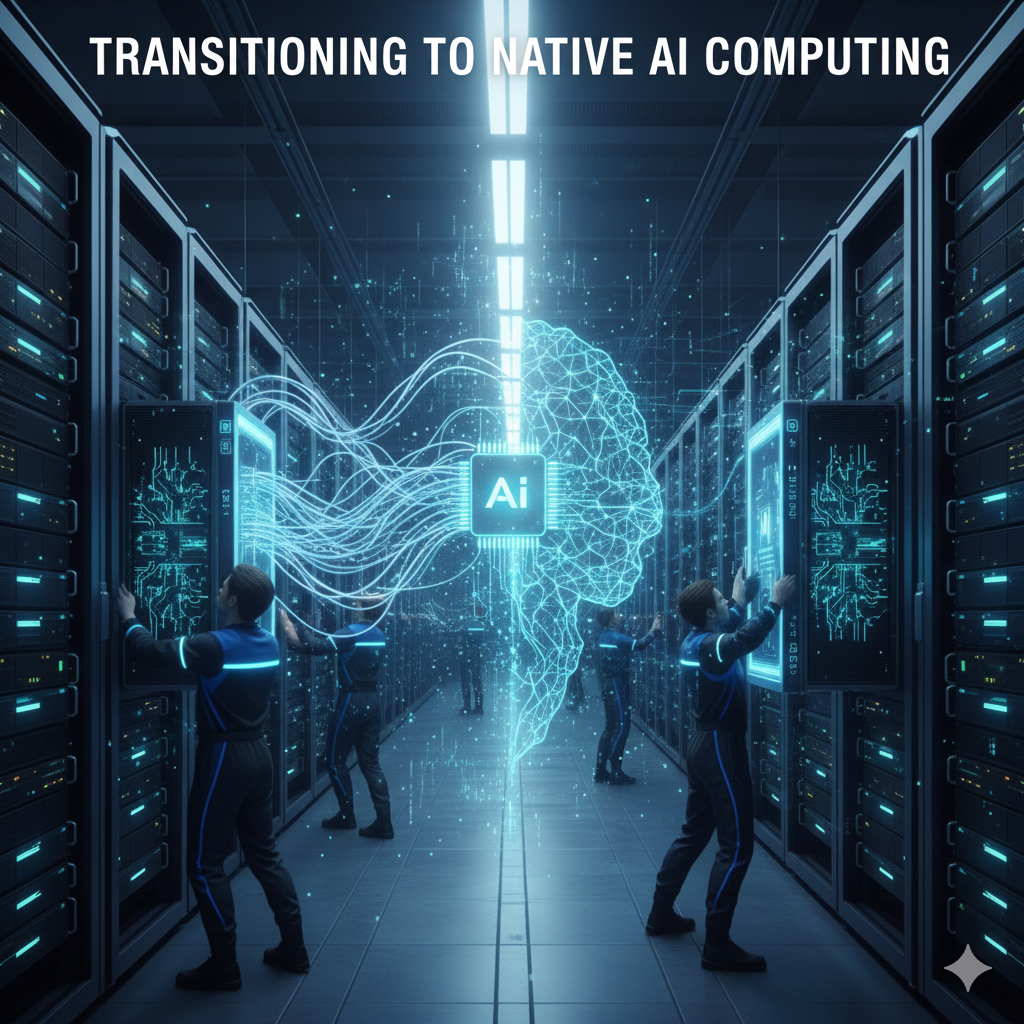
The rapid ascent of artificial intelligence (AI) technologies has been nothing short of transformative, reshaping industries and redefining the possibilities of what machines can achieve. Yet, as with any technological revolution, this dramatic growth raises critical questions about sustainability, economic impacts, and ethical considerations. In this article, we will explore the nuances of the AI boom and assess whether it represents a genuine opportunity for innovation or a speculative bubble poised for a market correction.
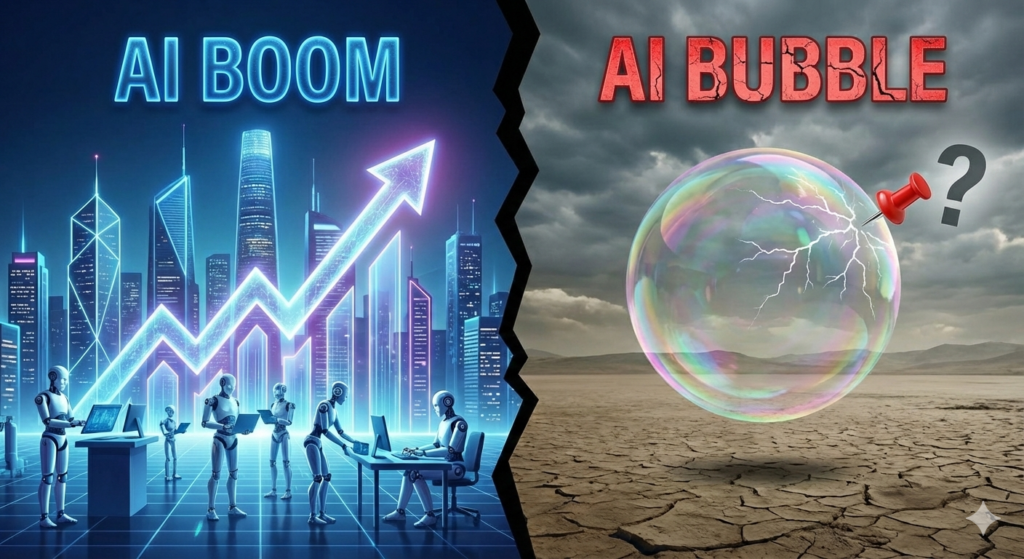
AI Growth and Market Sustainability
The current AI landscape is reminiscent of past technology booms, characterized by an influx of capital and a flurry of innovations. However, this rapid expansion presents a dichotomy: while it offers unprecedented opportunities for efficiency and innovation, it also raises concerns about sustainability. The parallels with past technology bubbles, such as the dot-com era, are hard to ignore. During that period, speculative investments led to a market crash when expectations outpaced reality.
To ensure long-term sustainability, it is essential to distinguish between genuine growth and speculative investment. Investors and companies must focus on AI applications that demonstrate real value and scalability. The challenge lies in balancing enthusiasm with caution, ensuring that investments are grounded in sound fundamentals rather than inflated expectations.
Economic and Labor Market Implications
AI’s impact on economic growth and labor markets is profound. On one hand, AI technologies promise to drive productivity, streamline operations, and spur innovation across sectors. On the other hand, they pose significant risks such as job displacement and widening economic inequality. As AI systems become more advanced, they automate tasks traditionally performed by humans, potentially displacing workers across various industries.
Policymakers face the daunting task of mitigating these risks while maximizing the economic benefits of AI. Strategies must be developed to reskill and upskill the workforce, ensuring that displaced workers can transition to new roles in the evolving economy. Moreover, policy interventions are necessary to ensure that the economic gains from AI are distributed equitably, preventing the exacerbation of existing social disparities.
Regulation and Ethical Considerations
The integration of AI into various sectors brings about ethical challenges that necessitate careful regulation and oversight. As AI systems become more prevalent, concerns about privacy, bias, and accountability have come to the forefront. The potential over-reliance on AI systems could lead to unintended consequences, such as decision-making processes that lack transparency and fairness.
Balanced policies are crucial to fostering innovation while addressing these ethical concerns. Regulation should aim to prevent speculative excesses and ensure that AI technologies align with societal values. This involves creating frameworks that promote ethical AI development and deployment, protecting both individuals and communities from potential harms.
Sectoral Variability in AI Investment
Investment patterns in AI are not uniform across industries, with significant variability observed between sectors. Sectors like healthcare and finance exhibit strong fundamentals and demonstrate how AI can be leveraged for real-world impact. In healthcare, AI is revolutionizing diagnostics and patient care, while in finance, it is enhancing risk assessment and fraud detection.
Conversely, other sectors may be experiencing speculative investment, where the promise of AI’s potential outstrips its current capabilities. Understanding these sectoral differences is essential for investors and policymakers to make informed decisions. A nuanced approach that considers the specific dynamics of each industry can help avoid the pitfalls of a one-size-fits-all investment strategy.
Technological Advancements and Integration Challenges
The AI boom is driven by breakthroughs in machine learning, data processing, and computing power. However, integrating these advancements into existing systems presents significant challenges. Organizations must navigate the complexities of adapting legacy systems to accommodate new AI technologies, which often require substantial infrastructure changes and cultural shifts.
Effective management of these integration challenges is vital to avoid market volatility and ensure that technological progress translates into tangible benefits. Organizations must invest in robust change management processes and cultivate a culture of innovation to fully leverage the potential of AI technologies.
Conclusion
The AI boom represents both an opportunity and a risk, offering the potential for transformative growth while posing challenges that must be carefully managed. As the AI landscape continues to evolve, stakeholders must balance enthusiasm with caution, ensuring that investments are grounded in reality and that the benefits of AI are shared equitably across society. By addressing ethical considerations, managing sectoral variability, and mitigating economic impacts, we can navigate the AI boom effectively, harnessing its potential for a sustainable future.

Abhijit Daund (AD)
AD is a Senior Engineering Manager and the founder of ads2cents.com. With 13+ years of experience at companies like Walmart, he specializes in distributed systems, AI infrastructure, and software systems.