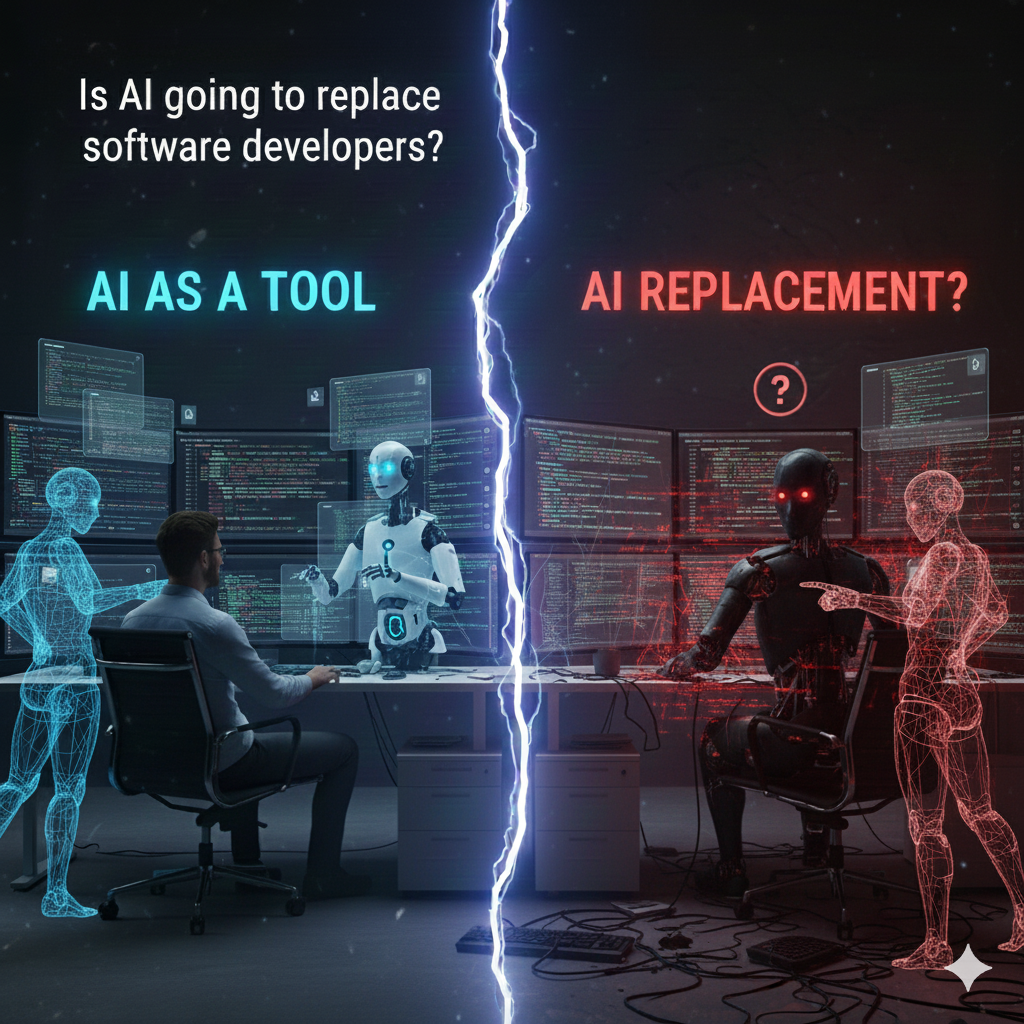
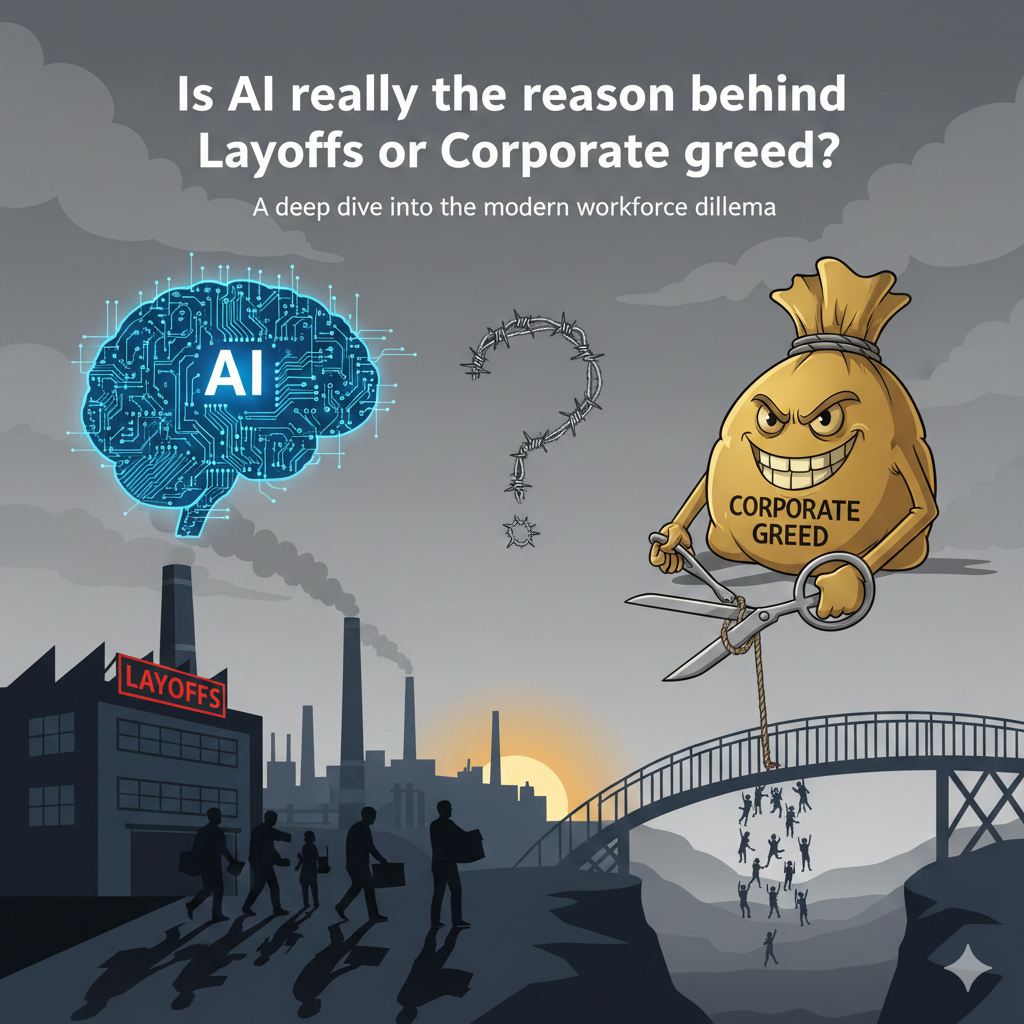
In the rapidly evolving landscape of modern business, Artificial Intelligence (AI) stands as both a beacon of innovation and a harbinger of profound change. AI promises efficiency, improved decision-making, and new opportunities, yet it also brings a complex array of challenges, particularly concerning workforce dynamics. The phenomenon of AI-induced layoffs has sparked debates about whether these are necessitated by technological advancements or driven by corporate greed. Here, we delve into the strategic insights that illuminate this dichotomy and explore the broader implications on corporate governance and policy.
Corporate Strategies vs. Technological Necessity
AI has undoubtedly enhanced operational efficiency across industries, yet the narrative that AI-induced layoffs are purely a consequence of technological necessity is often misleading. Many companies strategically leverage AI not solely for its efficiency gains but as a tool to optimize profit margins. This distinction is crucial, as highlighted by studies indicating that a significant portion of workforce reductions attributed to AI are more aligned with corporate strategy than technological inevitability.
While AI can streamline operations by automating routine tasks, its adoption often aligns with broader strategic goals such as reducing labor costs and maximizing shareholder value. This suggests a need for greater scrutiny of corporate decision-making processes. Companies should transparently differentiate between layoffs that are genuinely necessitated by technological advancements and those that serve as strategic financial maneuvers.
Ethical Corporate Governance and Responsibility
The transition to AI-driven processes requires more than just technological adaptation; it demands a rethinking of corporate governance and ethics. As companies integrate AI, they face the challenge of balancing innovation with job preservation. Ethical corporate governance involves developing policies that protect employees from disproportionate harm due to technological disruptions.
Corporate responsibility should extend beyond shareholder interests to include the well-being of employees. This involves creating frameworks that support employee retraining and redeployment, ensuring that technological progress does not come at the expense of the workforce. Policies fostering transparency in AI implementation can help build trust and mitigate the negative impacts of workforce reductions.
AI as Both Disruptor and Opportunity
AI’s dual role as a disruptor and a creator of opportunities is well-documented. While it has the potential to displace existing jobs, AI also opens avenues for new roles and industries. For example, AI can lead to the emergence of new sectors such as AI ethics consultancy and AI-driven product development.
To harness AI’s potential positively, organizations must invest in strategic workforce planning and reskilling initiatives. By equipping employees with new skills, businesses can not only mitigate the impact of job displacement but also enhance their competitive edge in the AI-driven economy. This proactive approach can transform AI from a threat into an opportunity for growth and innovation.
The Role of Corporate Greed in AI Implementation
The pursuit of increasing shareholder value often drives corporate strategies, sometimes at the expense of ethical considerations. This focus can lead to strategic layoffs that are not necessarily aligned with the technological capabilities of AI but rather the financial goals of the corporation. The ethical implications of such practices raise critical questions about corporate accountability.
To prevent AI from becoming merely a tool for corporate greed, it is imperative to reevaluate corporate practices. This involves fostering a culture where the benefits of AI are equitably distributed among all stakeholders, including employees. Ensuring that AI deployment aligns with broader societal goals requires robust ethical frameworks and a commitment to fair corporate governance.
Policy and Regulatory Implications
The rapid integration of AI into the workplace necessitates the development of comprehensive policies and regulatory frameworks. These should address the ethical and strategic dimensions of AI, ensuring that its adoption promotes employee welfare and transparency in corporate strategies.
Policymakers play a crucial role in shaping the future of work in the age of AI. By implementing regulations that encourage responsible AI adoption, they can help mitigate the adverse effects on employment and promote an ethical AI ecosystem. Such regulations should incentivize companies to invest in employee retraining and to adopt transparent practices that benefit both businesses and their employees.
Conclusion
AI-induced layoffs are a complex phenomenon shaped by both technological advancements and corporate strategies. While AI offers significant potential for enhancing efficiency and creating new opportunities, its implementation must be approached with caution and responsibility. Companies must balance innovation with ethical considerations, ensuring that workforce reductions are driven by genuine technological needs rather than corporate greed.
Moreover, the role of policymakers in fostering an equitable AI ecosystem cannot be overstated. By developing robust regulatory frameworks, they can ensure that AI’s benefits are shared broadly, protecting employees and promoting sustainable business practices. As we navigate the AI revolution, a collaborative effort between businesses, policymakers, and society is essential to harness AI’s potential while safeguarding the workforce.

Abhijit Daund (AD)
AD is a Senior Engineering Manager and the founder of ads2cents.com. With 13+ years of experience at companies like Walmart, he specializes in distributed systems, AI infrastructure, and software systems.