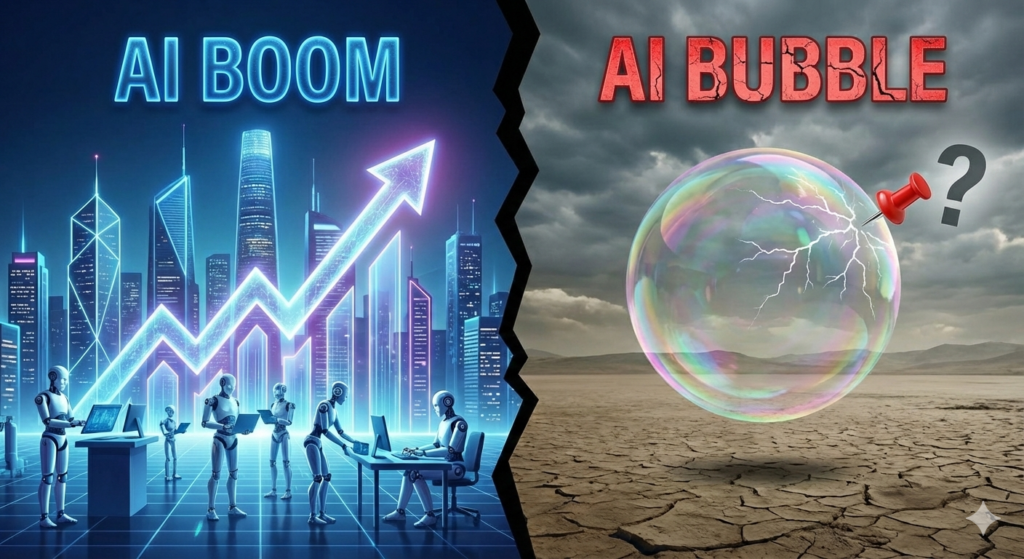
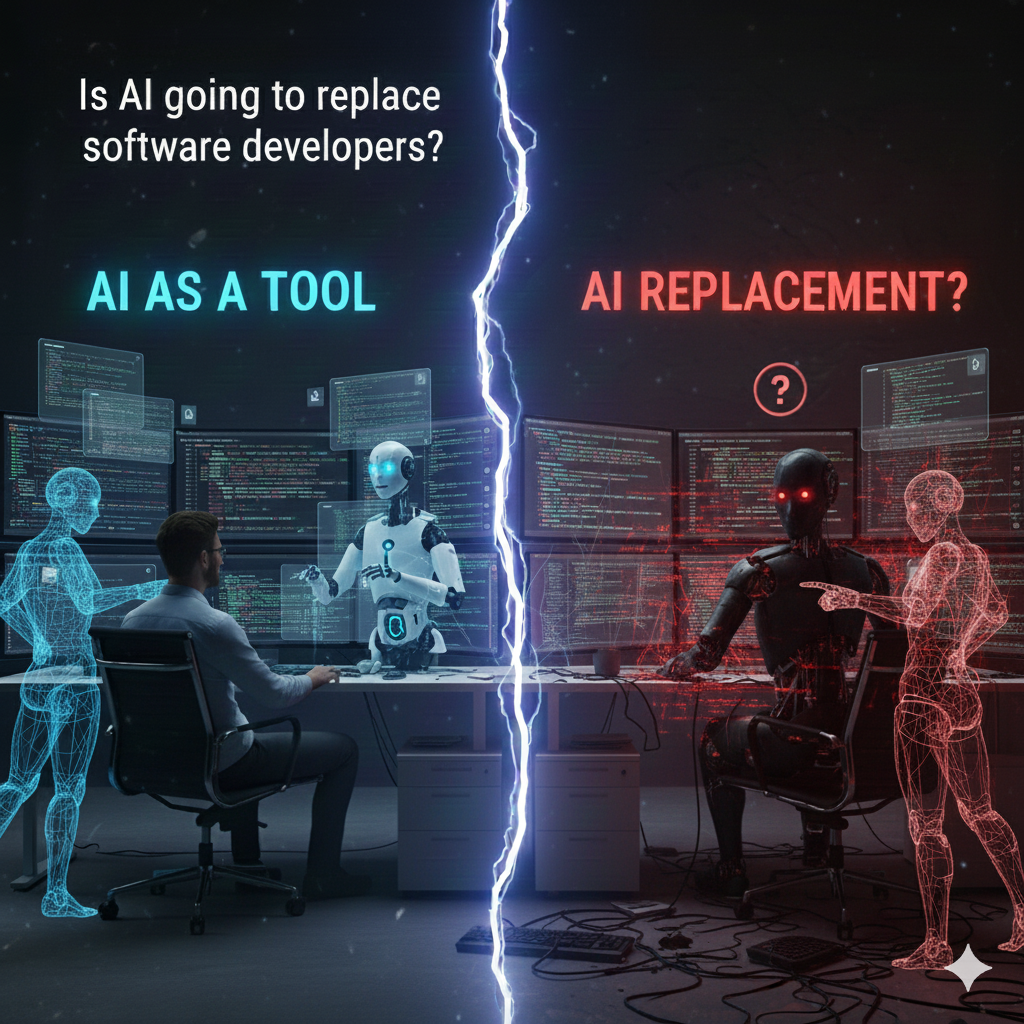
As artificial intelligence (AI) systems become integral to business operations, maintaining them is crucial to avoid the accumulation of technical debt. This debt, if unchecked, can degrade system performance, increase costs, and disrupt operations. This article explores the significance of continuous maintenance, its financial implications, and strategies to mitigate technical debt in AI systems.
Introduction
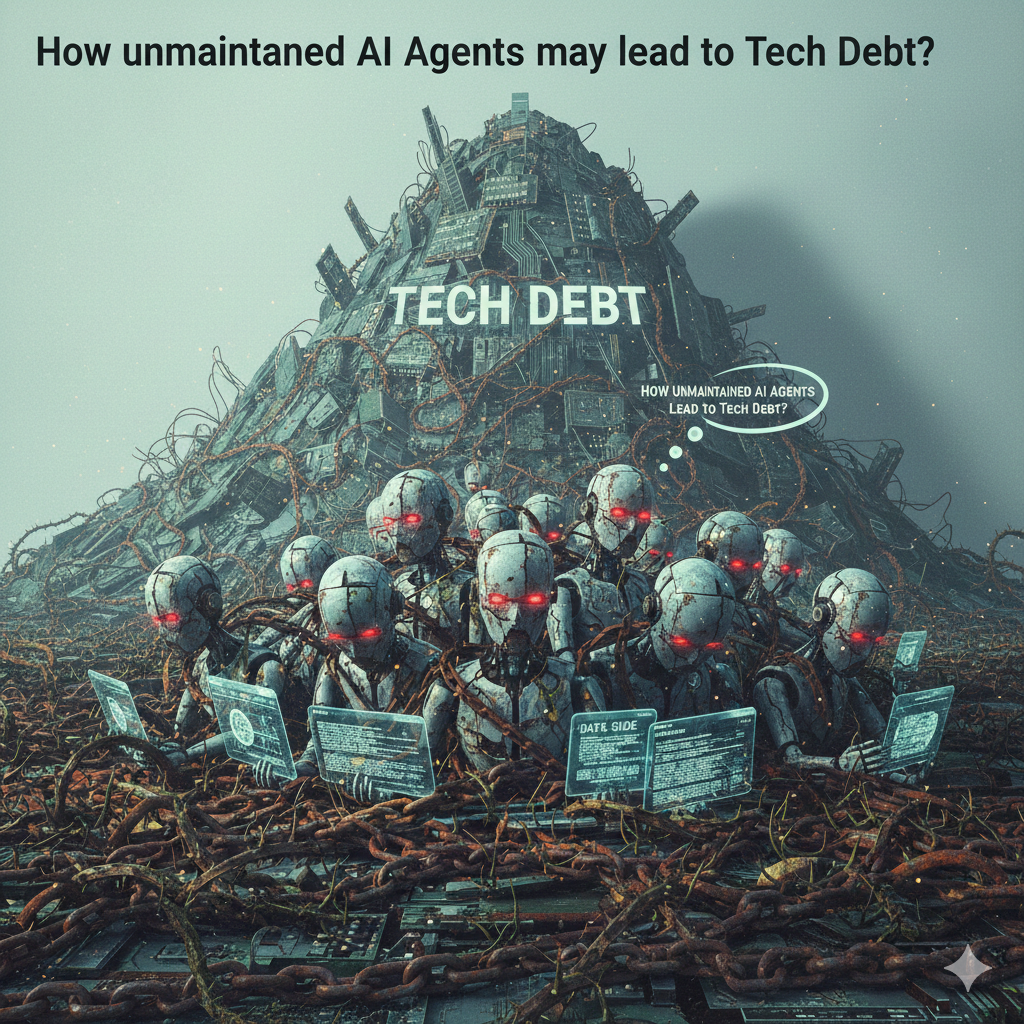
In today’s fast-paced technological landscape, AI systems are evolving rapidly, offering unprecedented capabilities and efficiencies. However, the failure to maintain these systems can lead to technical debt, a hidden cost that can have severe implications for businesses. Technical debt in AI arises from various factors, including data drift, model decay, and outdated algorithms. This article delves into the importance of maintaining AI systems to prevent technical debt and ensure long-term viability.
Importance of Continuous AI Maintenance
The continuous maintenance of AI systems is essential to prevent technical debt. Unmaintained AI systems face challenges such as data drift and model decay, which can significantly degrade performance over time. Data drift refers to the changes in data patterns over time, leading to a mismatch between the trained model and the real-world data it encounters. Model decay, on the other hand, occurs when the model’s performance deteriorates due to outdated algorithms or lack of retraining.
Regular updates and monitoring are crucial to address these issues. Organizations must prioritize the continuous evaluation of their AI models to ensure they remain aligned with current data trends and technological advancements. This proactive approach helps in sustaining AI effectiveness and avoiding the snowballing effect of technical debt.
Financial and Operational Implications of Neglect
The financial and operational implications of neglecting AI maintenance are significant. Studies highlight that unmaintained AI systems can lead to substantial operational disruptions and increased costs. These disruptions can stem from system failures, inefficiencies, and the need for costly emergency interventions.
Investing in regular AI maintenance is a cost-effective strategy in the long run. By preventing technical debt, organizations can avoid expensive system failures and ensure smooth operations. The cost of neglect is often much higher than the cost of regular maintenance.
Strategies and Best Practices for Mitigation
To mitigate technical debt in AI systems, organizations can adopt various strategies and best practices. Regular audits, continuous monitoring, and retraining of models are critical components of an effective maintenance strategy. Automated tools can also play a significant role in identifying potential issues and facilitating timely interventions.
Researchers emphasize the importance of these practices in maintaining AI system reliability and performance. By incorporating these strategies, organizations can reduce technical debt and enhance the longevity of their AI systems.
Lifecycle Management of AI Systems
Understanding the lifecycle of AI systems is crucial for effective maintenance and debt management. Researchers provide frameworks for identifying potential pitfalls at different stages of AI development. These frameworks help organizations anticipate maintenance needs and mitigate technical debt before it becomes problematic.
Proactive lifecycle management involves regular assessments of AI systems from development through deployment and operation. By recognizing and addressing potential issues early, organizations can maintain AI system integrity and performance over time.
Industry Lessons and Case Studies
Insights from industry case studies reveal practical lessons on mitigating technical debt in AI systems. These real-world examples demonstrate the consequences of neglect and the effectiveness of best practices in maintaining AI systems.
Organizations can learn from industry leaders by implementing successful maintenance strategies and avoiding common pitfalls. Case studies highlight the importance of a structured maintenance approach and the value of learning from past experiences to refine AI system management.
Conclusion
Preventing technical debt in AI systems requires a commitment to continuous maintenance and proactive management. The consequences of neglect are significant, both financially and operationally. By adopting best practices and learning from industry leaders, organizations can ensure the long-term viability and effectiveness of their AI systems. As AI continues to evolve, maintaining these systems will be essential to harness their full potential and avoid the hidden costs of technical debt.

Abhijit Daund (AD)
AD is a Senior Engineering Manager and the founder of ads2cents.com. With 13+ years of experience at companies like Walmart, he specializes in distributed systems, AI infrastructure, and software systems.