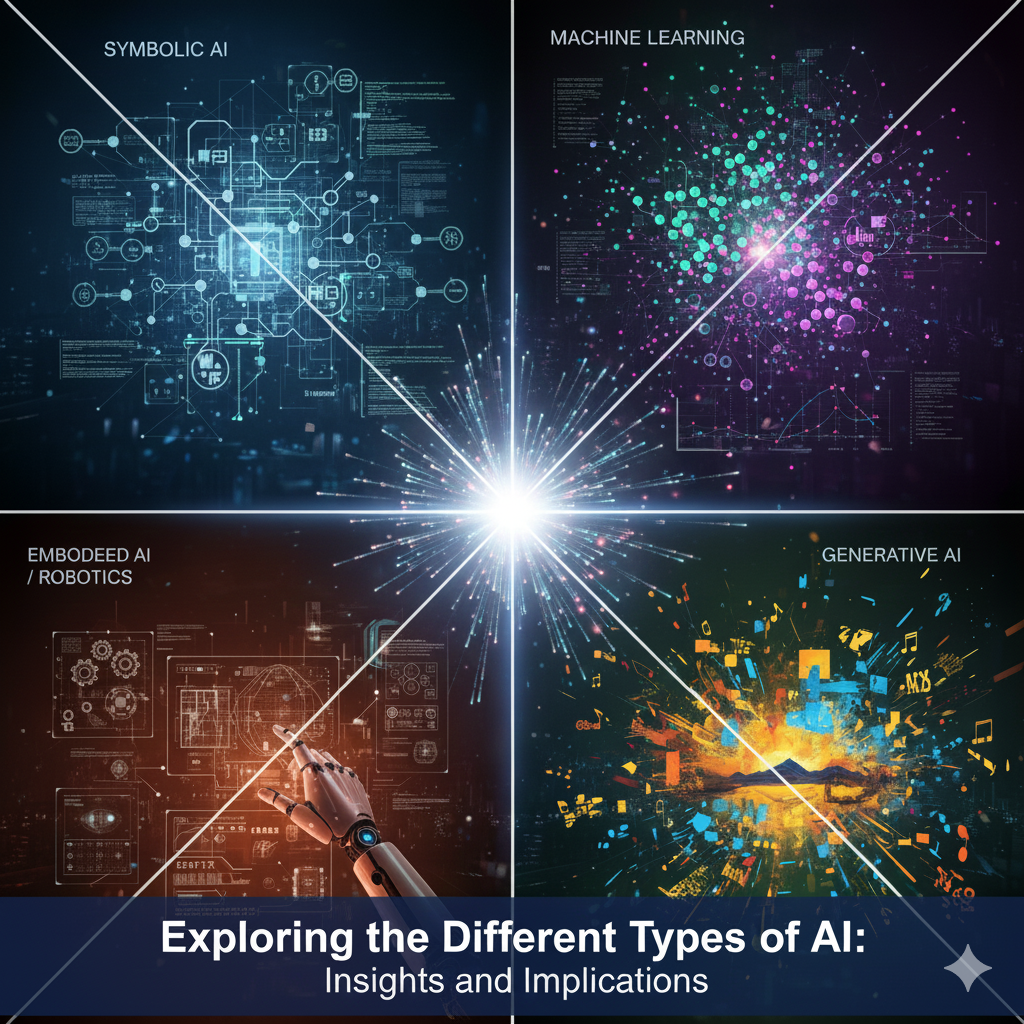
Artificial Intelligence (AI) has transitioned from being a futuristic concept to a transformative force across industries. As AI technologies rapidly advance, they offer unprecedented opportunities and pose significant challenges. This article delves into the different types of AI, exploring their insights and implications within various domains.
Rapid Advancements and Integration of AI Technologies
The pace at which AI technologies are advancing is unparalleled. Innovations in machine learning, deep learning, natural language processing (NLP), and computer vision are reshaping industries such as healthcare, finance, and autonomous systems. These advancements are not just incremental but transformative, altering the fundamental ways in which industry operations are conducted.
Machine Learning and Deep Learning
Machine learning and deep learning represent the core engines of AI’s rapid evolution. These technologies enable systems to learn from data, identify patterns, and make decisions with minimal human intervention. The integration of these technologies across industries has led to significant improvements in operational efficiency and innovation.
Natural Language Processing and Computer Vision
NLP and computer vision are two crucial components in the AI landscape. NLP allows machines to understand and interpret human language, facilitating better human-computer interactions. Computer vision, on the other hand, enables computers to interpret and make decisions based on visual data, opening new avenues in automation and surveillance.
The implications of these advancements necessitate continuous research and development to harness AI’s full potential. Industries must adapt to these technologies to remain competitive, highlighting the need for skilled professionals and innovative solutions.
Ethical and Societal Implications of AI
As AI technologies become more pervasive, the ethical and societal implications cannot be overlooked. AI systems, if not carefully managed, can exacerbate issues of bias, privacy, and accountability.
Addressing Bias and Privacy
Bias in AI systems can lead to unfair outcomes, particularly in sensitive applications like hiring, law enforcement, and healthcare. Ensuring data diversity and implementing robust checks are critical to mitigating bias. Privacy concerns also loom large, as AI systems often require vast amounts of personal data. Developing ethical frameworks and guidelines is essential to ensure responsible AI deployment and to maintain public trust.
Societal Impact
The societal implications of AI include the potential reshaping of norms and values. AI has the power to transform how we live and work, necessitating interdisciplinary collaboration to address challenges and harness opportunities.
AI’s Role in Enhancing Decision-Making and Personalization
AI’s capability to analyze large datasets and extract valuable insights is revolutionizing decision-making processes across sectors. This trend is particularly evident in data-driven industries like healthcare and finance.
Predictive Analytics and Personalization
Predictive analytics powered by AI enables organizations to anticipate trends, optimize operations, and make informed decisions. In healthcare, AI-driven analytics can lead to improved patient outcomes by personalizing treatment plans. In finance, AI helps in risk assessment and fraud detection, enhancing security and efficiency.
The ability to offer personalized solutions and insights is a significant advantage of AI, driving innovation and efficiency across industries.
Challenges and Future Directions in AI Development
Despite its rapid advancements, AI development faces several challenges that need to be addressed for sustainable growth.
Scalability, Data Privacy, and Regulatory Compliance
The scalability of algorithms is a persistent challenge, especially as data volumes grow exponentially. Ensuring data privacy and navigating regulatory landscapes are equally daunting tasks. Addressing these challenges is crucial for the continued advancement of AI technologies.
Future Directions
The future of AI research focuses on overcoming these hurdles and exploring new applications. Areas such as ethical AI, autonomous systems, and human-AI collaboration are gaining traction, with significant implications for industry transformation and societal impact.
Convergence of AI with Other Technologies
The intersection of AI with robotics, big data, and autonomous systems is creating a new frontier of innovation. This convergence is particularly evident in the development of autonomous vehicles and intelligent decision-making systems.
Opportunities and Challenges
While this convergence offers exciting opportunities, it also presents challenges such as ensuring safety and reliability. Robust measures are required to prevent failures in critical systems, emphasizing the need for comprehensive testing and validation.
The potential for AI to revolutionize traditional industries through enhanced automation and efficiency is immense, marking a new era of technological advancement.
Conclusion
The exploration of different types of AI reveals a landscape rich with potential and challenges. As AI technologies continue to advance and integrate across industries, their implications on operations, ethics, and society become increasingly significant. Navigating this evolving landscape requires a concerted effort from researchers, policymakers, and industry leaders to ensure AI’s benefits are maximized responsibly.

Abhijit Daund (AD)
AD is a Senior Engineering Manager and the founder of ads2cents.com. With 13+ years of experience at companies like Walmart, he specializes in distributed systems, AI infrastructure, and software systems.