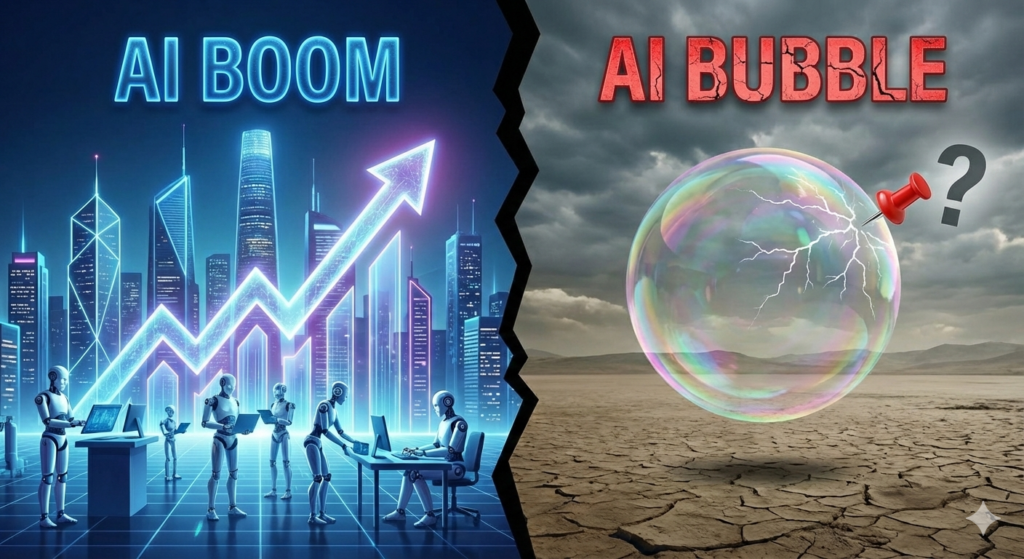
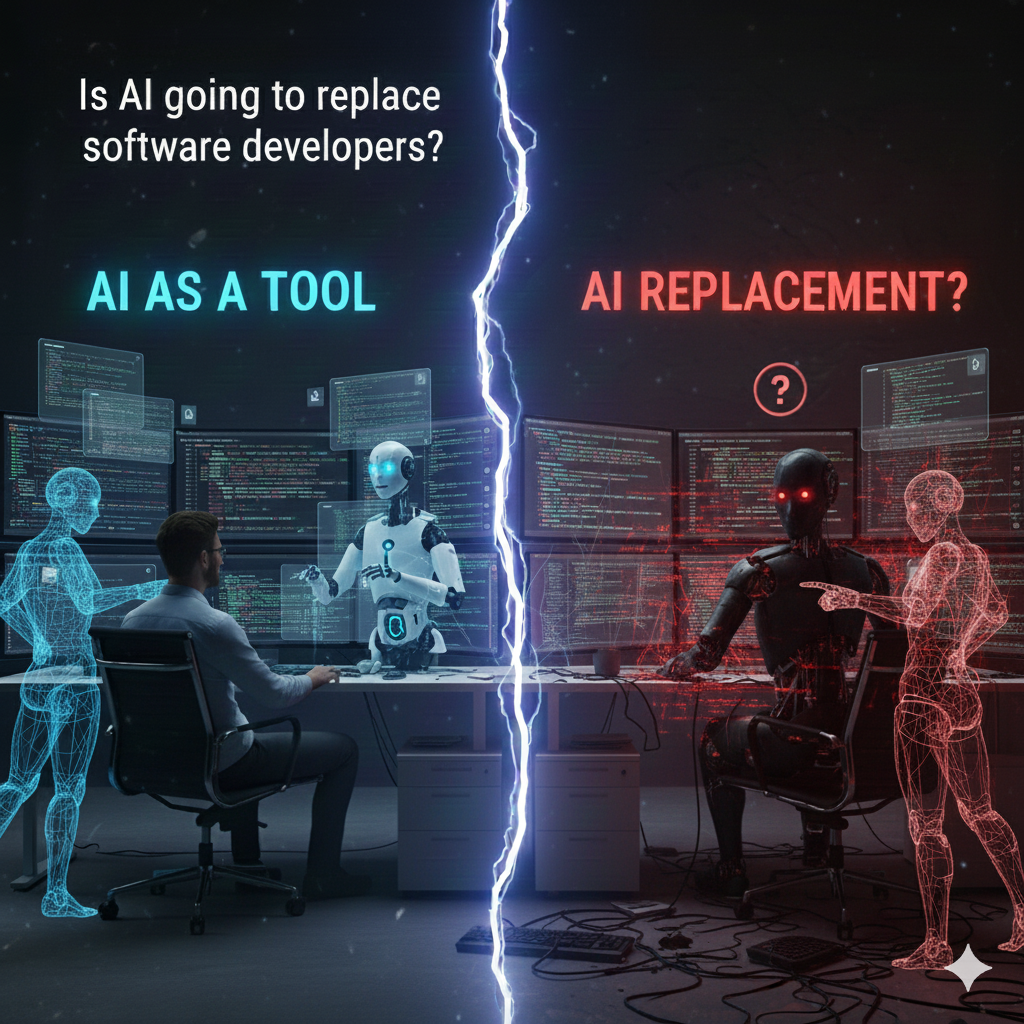
In the rapidly evolving landscape of technology and innovation, a new paradigm is emerging that promises to reshape industries and redefine how we approach complex challenges. This paradigm, known as “vibe coding,” represents a convergence of cutting-edge technologies and methodologies that are driving transformative changes across various sectors. From healthcare and sustainability to digital transformation and finance, vibe coding is paving the way for a future where innovation is both dynamic and sustainable.

Introduction
The concept of vibe coding is rooted in the idea of creating adaptive, intuitive systems that resonate with the evolving needs of users and the environment. As technological advancements continue to accelerate, the importance of integrating artificial intelligence, automation, sustainability, and personalization into innovation strategies becomes increasingly evident. This blog post will explore the strategic insights that underscore why vibe coding is poised to become the cornerstone of future innovation.
AI and Automation in Healthcare
The integration of AI and automation in healthcare is a testament to the transformative potential of vibe coding. By leveraging sophisticated algorithms and machine learning models, healthcare providers can enhance diagnostic accuracy, optimize treatment plans, and streamline operational efficiency. This trend is not only reducing costs but also improving patient outcomes on a global scale.
Shifting Workforce Requirements
As AI and automation become more prevalent, the demand for tech-savvy healthcare professionals is on the rise. The workforce must adapt to new tools and technologies, requiring ongoing education and training. This shift underscores the importance of developing curricula that emphasize digital literacy and data analytics in medical education.
Ethical Considerations
While the benefits of AI in healthcare are undeniable, ethical concerns regarding data privacy and decision-making must be addressed. The balance between leveraging patient data for improved care and safeguarding privacy is delicate, necessitating robust regulatory frameworks and transparent practices.
Sustainability and Green Technologies
The push towards sustainability and green technologies is another hallmark of vibe coding. As industries face increasing regulatory pressures and consumer demands for eco-friendly products, the need for innovation in sustainable practices has never been greater.
Transforming Supply Chains
Sustainability is driving a fundamental transformation in supply chains. Companies are investing in renewable energy sources and adopting circular economy principles to minimize waste and reduce carbon footprints. This shift not only addresses environmental concerns but also presents opportunities for cost savings and enhanced brand reputation.
Innovation in Product Design
Green technologies are fostering innovation in product design, encouraging companies to create sustainable products that appeal to environmentally conscious consumers. This trend is particularly evident in industries such as automotive, electronics, and fashion, where eco-friendly materials and energy-efficient processes are becoming standard.
Remote Work and Digital Transformation
The rise of remote work has accelerated digital transformation, reshaping how organizations operate and interact with employees. This shift, catalyzed by the COVID-19 pandemic, has profound implications for organizational culture and productivity.
Organizational Culture and Cybersecurity
Remote work necessitates a rethinking of organizational culture, emphasizing flexibility, collaboration, and digital communication. Additionally, the increased reliance on digital platforms highlights the critical need for robust cybersecurity measures to protect sensitive data from cyber threats.
Increased Productivity and Work-Life Balance
Despite initial concerns, remote work has the potential to enhance productivity and work-life balance for employees. By eliminating commute times and offering flexible schedules, companies can foster a more engaged and satisfied workforce, ultimately contributing to long-term success.
Personalization and Customer Experience
In today’s digital age, personalization is key to delivering exceptional customer experiences. Vibe coding leverages advancements in data analytics to provide tailored interactions that meet individual consumer needs and preferences.
Investing in Data Management
To achieve meaningful personalization, businesses must invest in data management and analytics capabilities. By harnessing data-driven insights, companies can create targeted marketing strategies and product offerings that resonate with their audience, driving customer loyalty and competitive advantage.
Enhancing Customer Loyalty
Personalization not only improves customer satisfaction but also fosters loyalty. By delivering unique and relevant experiences, businesses can differentiate themselves in a crowded market, building strong relationships with their customers that withstand competitive pressures.
Blockchain and Decentralized Finance (DeFi)
Blockchain technology and decentralized finance (DeFi) are revolutionizing the financial industry, offering transparent, secure, and efficient alternatives to traditional banking systems.
Disrupting Traditional Banking
The rise of blockchain and DeFi presents both challenges and opportunities for traditional financial institutions. While these technologies offer the potential for streamlined operations and reduced costs, they also pose regulatory challenges that must be navigated carefully.
Opportunities for Innovation
Blockchain’s decentralized nature opens the door for innovation in financial services, enabling new business models and applications. From smart contracts to peer-to-peer lending, the possibilities are vast, with the potential to enhance financial inclusion and democratize access to financial services.
Conclusion
As we look toward the future, vibe coding emerges as a critical driver of innovation across industries. By embracing AI, automation, sustainability, personalization, and blockchain technologies, organizations can create adaptive systems that not only meet current demands but also anticipate future challenges. The strategic insights outlined in this blog highlight the transformative potential of vibe coding, underscoring its role as a catalyst for dynamic and sustainable innovation.

Abhijit Daund (AD)
AD is a Senior Engineering Manager and the founder of ads2cents.com. With 13+ years of experience at companies like Walmart, he specializes in distributed systems, AI infrastructure, and software systems.