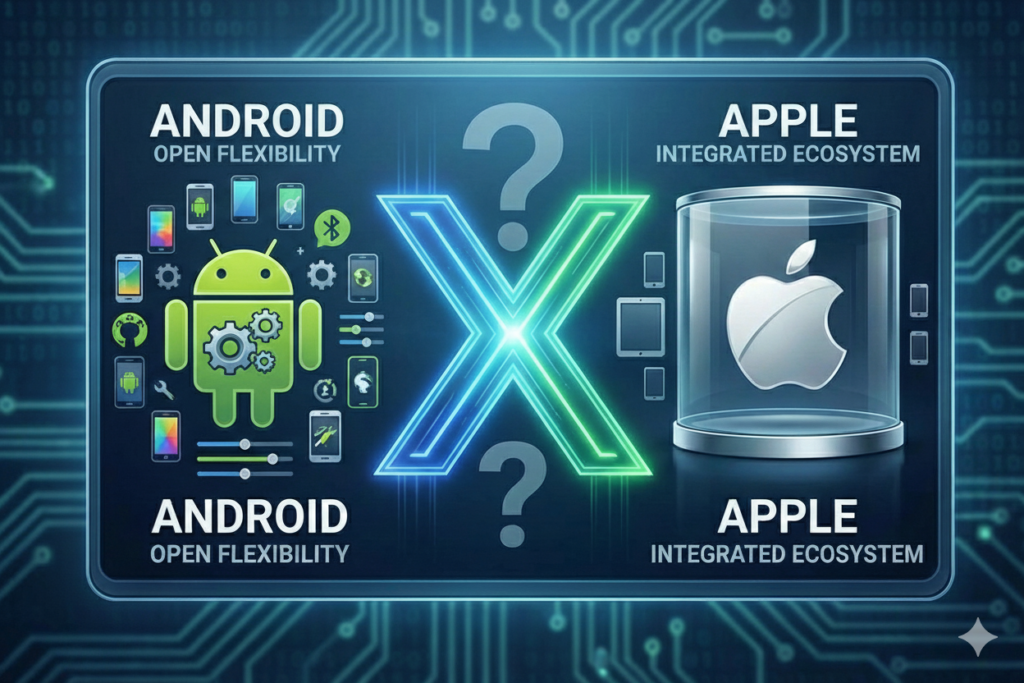
In the bustling world of mobile technology, the competition between Android and Apple remains a central talking point. Both platforms have their unique strengths, yet Android consistently seems to edge out Apple in several key areas. This article delves into the “X Factors” that give Android its competitive advantage, focusing on customization and user control, open-source innovation, market diversity, app ecosystem, and consumer loyalty.
Customization and User Control
One of Android’s standout features is its unparalleled customization options. Unlike Apple’s iOS, which is often criticized for its restrictive nature, Android offers a flexible environment where users can tailor their devices to their individual tastes. From home screen layouts and widgets to the installation of third-party apps, Android empowers users with the ability to personalize their devices extensively.
This level of customization not only increases user satisfaction but also fosters brand loyalty. Consumers who can modify their devices to better meet their needs are more likely to remain with the platform. As user preferences continue to evolve towards greater personalization, Android’s flexibility becomes a significant factor in its sustained appeal.
Open Source and Innovation
The open-source nature of Android is another critical component of its success. Android’s open-source platform encourages innovation by allowing developers to contribute to and modify the operating system. This openness has led to a vibrant community of developers who continuously enhance the platform, ensuring it remains at the cutting edge of technology.
Furthermore, the open-source model facilitates quicker identification and resolution of security vulnerabilities, challenging the traditional perception that iOS is inherently more secure. By fostering a collaborative environment, Android attracts a diverse range of developers and users, creating a dynamic and rapidly evolving ecosystem.
Market Diversity and Accessibility
Android’s adaptability to various hardware configurations and its presence across a wide array of devices have been instrumental in its market dominance. Unlike Apple, which offers a limited range of high-end devices, Android caters to a broader audience with its diverse offerings. From budget-friendly options to premium devices, Android’s versatility makes it accessible to a wider demographic.
This hardware diversity strengthens Android’s market position, as it can appeal to different consumer segments globally. The implications for market dynamics are profound, as Android’s accessibility continues to drive its global market share growth, enabling it to remain a formidable competitor in the mobile space.
App Ecosystem and User Choice
Android’s app ecosystem is another area where it excels compared to Apple. With a larger app store and the capability to sideload apps, Android provides users with more choices and flexibility. This extensive app availability enhances Android’s appeal, offering users a richer and more varied app experience.
The ability to explore a vast array of apps without restrictions significantly impacts user engagement and satisfaction. As consumers increasingly seek platforms that offer greater freedom and variety in app selection, Android’s open app ecosystem becomes a compelling reason for its continued popularity.
Consumer Loyalty and Brand Perception
Android’s reputation for flexibility and value for money contributes significantly to consumer loyalty and brand perception. While Apple is often associated with a premium brand image, Android appeals to consumers who appreciate practicality and the ability to get more value from their devices.
This perception is crucial for maintaining consumer loyalty and attracting new users. As the market becomes more competitive and consumers become more discerning in their choices, Android’s focus on delivering a customizable and cost-effective experience ensures it remains an attractive option for many.
Conclusion
While both Android and Apple have their merits, Android’s strengths in customization, open-source innovation, market diversity, app ecosystem, and consumer loyalty provide it with a distinct edge. These factors not only enhance user satisfaction but also ensure Android’s ongoing competitiveness in the fast-paced mobile technology landscape. As technology continues to evolve, Android’s ability to adapt and innovate will likely keep it at the forefront of the industry.

Abhijit Daund (AD)
AD is a Senior Engineering Manager and the founder of ads2cents.com. With 13+ years of experience at companies like Walmart, he specializes in distributed systems, AI infrastructure, and software systems.