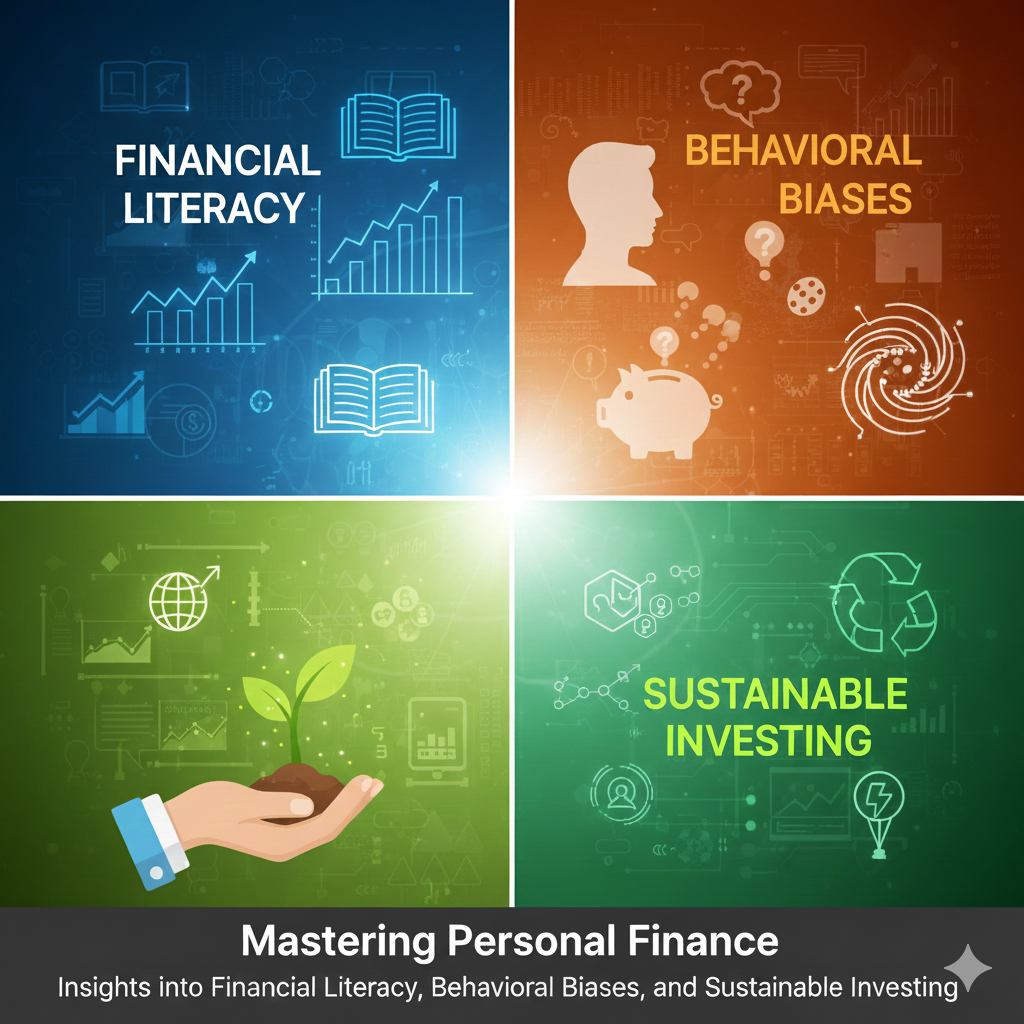
Investing is a crucial aspect of personal finance that can significantly impact long-term financial security. With numerous options available, choosing the best investment strategy can be daunting. This article explores various investment avenues—real estate, stock market, mutual funds, fixed deposits, and gold—to provide insights into building a robust investment strategy tailored to individual risk tolerance and financial goals.

Risk and Return Dynamics
The risk-return trade-off is a fundamental concept in investing, highlighting that potential returns on investment increase with an increase in risk. Stocks and mutual funds generally offer higher returns but are accompanied by increased volatility and risk. According to studies, stocks can yield substantial gains but are susceptible to market fluctuations, making them suitable for investors with a higher risk appetite.
Conversely, real estate and gold are considered more stable investments. Real estate provides consistent rental income and capital appreciation over time, while gold serves as a hedge against economic uncertainties and inflation. Research underscores real estate’s long-term growth and stability, appealing to risk-averse investors. Understanding one’s risk tolerance and investment goals is crucial in selecting the appropriate investment strategy.
Diversification Benefits
Diversification is a strategic approach to investment that involves spreading investments across various asset classes to minimize risk and maximize returns. Combining real estate, stocks, and gold in a diversified portfolio can result in better risk-adjusted returns. Research illustrates that diversification reduces the impact of market volatility, providing a balanced approach to investment.
By not relying on a single asset class, investors can mitigate potential losses in one area with gains in another, creating a buffer against economic downturns. Diversification is essential for investors aiming to achieve stability and growth in their portfolios.
Impact of Economic Conditions
Economic conditions significantly influence investment strategies. Fixed deposits, although safe, may not keep up with inflation, leading to a real value erosion of the invested capital. Research highlights the challenges fixed deposits face in a low-interest-rate environment.
In contrast, real estate and gold are effective hedges against inflation. Real estate values tend to appreciate over time, often outpacing inflation, while gold retains its value during economic uncertainties. Study emphasizes the importance of considering macroeconomic factors when planning investments to preserve and grow wealth.
Behavioral Influences on Investment Choices
Investment decisions are not solely driven by financial metrics but are also influenced by behavioral factors. Retail investors often exhibit biases, such as overconfidence and herd behavior, which can lead to irrational investment choices. Research indicates that understanding these biases can help investors make more informed decisions.
Financial literacy plays a crucial role in overcoming these biases. By educating themselves about the dynamics of different investment options, investors can align their strategies with their financial goals and risk tolerance, potentially improving investment outcomes.
Post-Pandemic Investment Shifts
The COVID-19 pandemic has reshaped investment landscapes, prompting a reevaluation of risk and security in investment strategies. In the post-pandemic world, there is a growing inclination towards real estate and gold due to their perceived safety. Research suggests that investors are reorienting their portfolios to prioritize stability amid ongoing global uncertainties.
This shift underscores the need for adaptability in investment strategies, as global events and market changes can significantly impact investment performance. Investors must remain vigilant and flexible, ready to adjust their portfolios in response to evolving economic conditions.
Conclusion
Determining the best investment strategy requires a comprehensive understanding of various investment options, risk tolerance, and financial goals. While stocks and mutual funds offer higher potential returns, they come with increased volatility. Real estate and gold provide stability and act as effective hedges against inflation. Diversification emerges as a crucial strategy to mitigate risks and enhance portfolio performance.
Investors must also be mindful of economic conditions and behavioral influences, adapting their strategies in response to global events and personal circumstances. By staying informed and flexible, investors can navigate the complexities of the investment landscape and make sound decisions that align with their long-term financial objectives.
Disclaimer: This post is for educational purposes only and does not constitute financial advice. Read our full disclaimer here.

Abhijit Daund (AD)
AD is a Senior Engineering Manager and the founder of ads2cents.com. With 13+ years of experience at companies like Walmart, he specializes in distributed systems, AI infrastructure, and software systems.